Imagine a country investing heavily in universities, digital learning platforms, workforce development initiatives, and research institutions. While these investments support educational outcomes, they also create jobs, attract funding, encourage innovation, and contribute to economic activity across multiple industries. As education expands beyond traditional classrooms, its influence is being felt far beyond the learning environment itself. Do you wonder how education evolved from a public service into one of the world's most influential economic sectors?
Education has long been recognized for its role in developing knowledge and skills. Today, however, it is increasingly viewed as a strategic driver of economic growth, workforce readiness, and innovation. Governments, businesses, and institutions are investing in education not only to improve learning outcomes but also to strengthen competitiveness in an increasingly knowledge-driven global economy. These developments continue to shape discussions at global education conferences in 2026, where educators, policymakers, and industry leaders explore the evolving role of education in economic and social development.
TL;DR: Quick Recap
- Education is increasingly being recognized as a significant contributor to economic growth.
- Investments in learning support workforce development, innovation, and productivity.
- The education sector generates employment and attracts public and private investment.
- Digital technologies are expanding educational opportunities worldwide.
- New learning models are creating opportunities beyond traditional academic pathways.
- Education continues to play an increasingly important role in shaping future economies.
Why Education Is Becoming An Economic Force
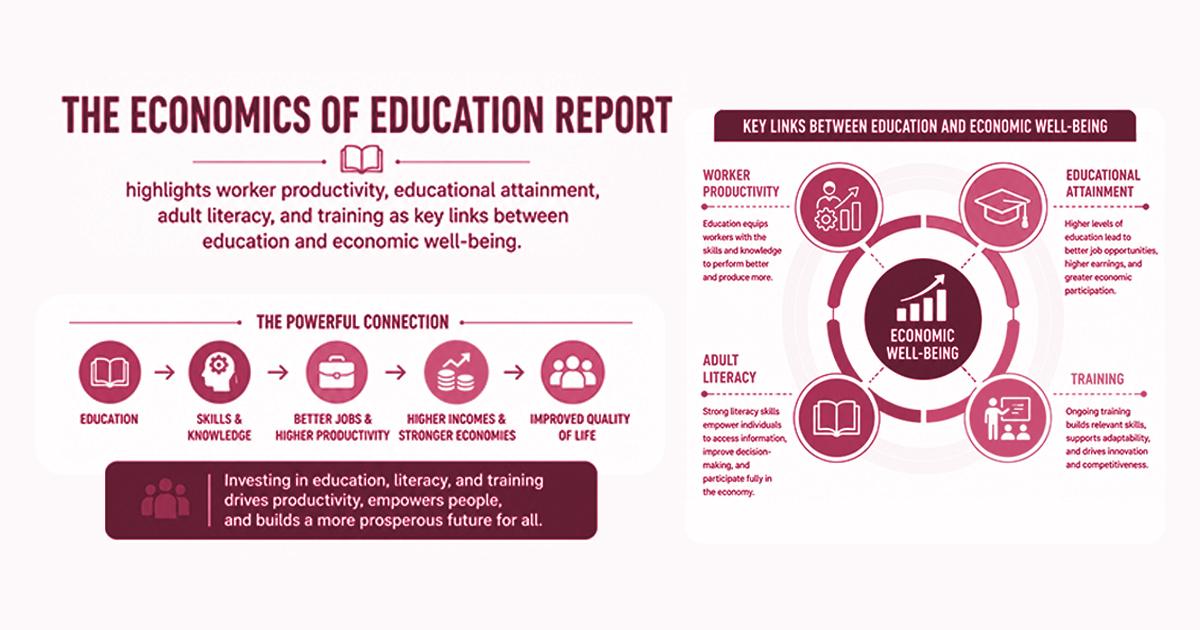
The role of education has expanded considerably over the past few decades. While its primary purpose remains learning and skill development, education is increasingly influencing labor markets, technological innovation, entrepreneurship, and economic competitiveness. According to IDB, public investment in education has a statistically significant and positive impact on real GDP per capita in both the short and long run. Now, let us look at some of the developments that are contributing to this shift:
- Growing Demand For Skilled Talent: As industries evolve, employers increasingly seek workers with specialized knowledge and adaptable skill sets. Educational institutions play an important role in helping prepare talent for changing workforce requirements.
- Expansion Of Lifelong Learning: Learning is no longer limited to formal education years. Professionals increasingly participate in ongoing training, certifications, and skill-development programs throughout their careers.
- Accelerating Digital Transformation: Technology is changing how education is delivered, accessed, and managed. Digital learning platforms have expanded educational opportunities across geographic boundaries.
- Increasing Human Capital Investment: Governments and organizations increasingly view education as an investment in future productivity, innovation, and economic resilience.
- Stronger Connections Between Education & Innovation: Educational institutions frequently contribute to research, entrepreneurship, and knowledge creation, supporting broader innovation ecosystems.
The Economic Impact Of The Education Sector
Education influences economies in ways that extend beyond classrooms and campuses. Its impact can be observed across employment, research, technology development, and regional growth. As countries continue to prioritize knowledge-based industries, education is increasingly becoming an interconnected part of broader economic strategies. The sector's economic influence can be seen across several areas that contribute to both local and global development, including:
-
Employment Generation
Educational institutions create jobs for teachers, administrators, researchers, technology professionals, and support staff, contributing to local and national employment.
-
Research & Development Contributions
Universities and research centers often serve as hubs for scientific discovery and technological advancement, supporting innovation across industries.
-
Growth Of Education Technology
The expansion of digital learning solutions has contributed to the growth of education technology companies, creating new business opportunities and investment activity.
-
International Student Mobility
Students pursuing education across borders contribute to economic activity through tuition, housing, transportation, and local spending.
-
Regional Economic Development
Educational institutions often influence the economic vitality of surrounding communities by attracting talent, investment, and business activity.
New Pathways In Modern Education
The concept of education continues to evolve as learners seek more flexible and diverse opportunities for skill development. These changes are influencing how individuals, organizations, and governments approach learning. Many of these developments are becoming important discussion points at global education events of 2026, where participants examine emerging approaches to education and workforce preparation. Several trends are shaping this evolution:
Online Learning Platforms: Digital platforms are expanding access to learning opportunities for students and professionals around the world.
Professional Certification Programs: Industry-focused certifications are helping individuals develop specialized skills aligned with workforce needs.
Corporate Learning Initiatives: Organizations are increasingly investing in employee development programs to support workforce readiness and long-term competitiveness.
Skills-Based Learning Models: Many learners are pursuing targeted educational pathways that emphasize practical competencies and applied knowledge.
Global Learning Networks: Collaborative learning communities and international partnerships are creating new opportunities for knowledge sharing and professional growth.
5 Factors Driving Education's Economic Growth
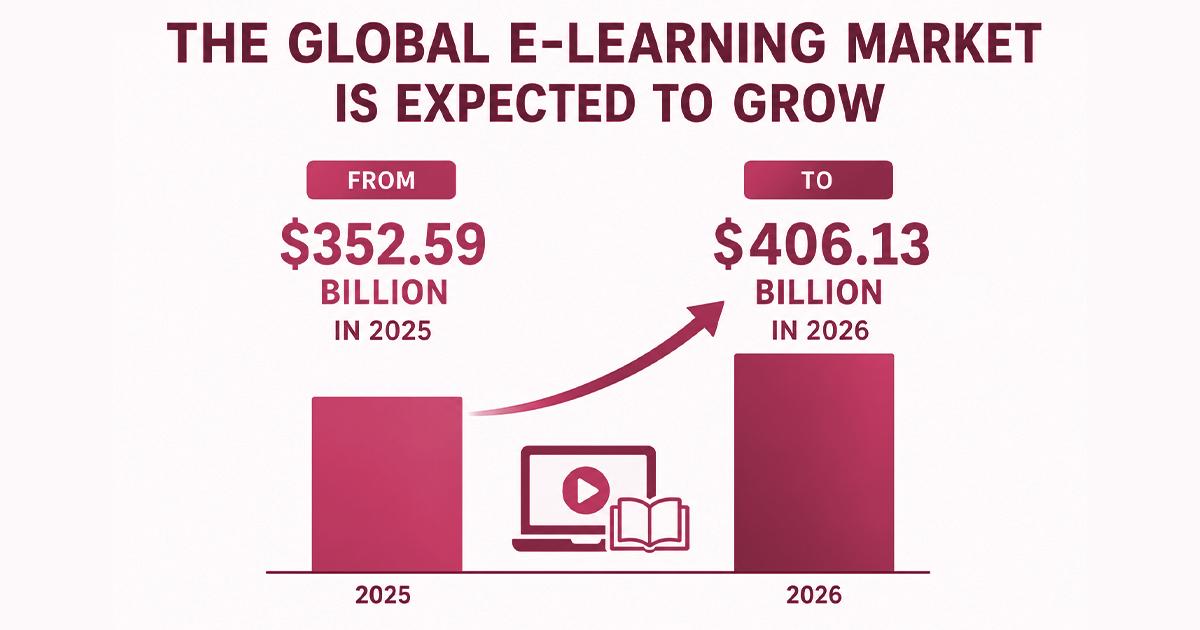
As education becomes more closely linked with workforce development and innovation, several factors are supporting its continued expansion as an economic sector. The growing need for new skills is influencing education systems, employers, and policymakers worldwide. Reflecting this trend, the World Economic Forum's Reskilling Revolution initiative aims to help 1 billion people access better education, skills, and economic opportunities by 2030, highlighting the increasing importance of continuous learning in a rapidly changing economy. Several key developments are helping accelerate education's growth and influence across the global economy, including:
Workforce Readiness:
- Supports the development of skills aligned with labor market needs.
- Helps individuals prepare for emerging career opportunities.
- Contributes to long-term economic productivity.
Digital Transformation:
- Expands access to learning resources and educational programs.
- Supports new delivery models for education and training.
- Encourages innovation in learning experiences.
Innovation Ecosystems:
- Connects education with research and entrepreneurship activities.
- Supports the development of new ideas and technologies.
- Encourages collaboration across sectors.
Public & Private Investment:
- Increases resources available for educational development.
- Supports infrastructure, technology, and research initiatives.
- Strengthens long-term sector growth.
Global Collaboration:
- Encourages knowledge sharing across institutions and countries.
- Supports international educational partnerships.
- Expands opportunities for learners and educators alike.
The Future Of Growth Starts With Learning
Amid rapid economic transformation, education is playing an increasingly important role in supporting workforce development, technological advancement, and innovation. Its influence now extends across multiple sectors, helping shape how societies prepare for future opportunities and challenges. The growing integration of learning, technology, and economic development suggests that education will remain a significant component of global growth strategies in the years ahead.
These themes continue to influence conversations at global education events and conferences, such as the Education 2.0 Conference, where educators, policymakers, and industry leaders examine the trends shaping the future of learning and its broader impact on society. For those interested in understanding the forces transforming education worldwide, you can join the three-day education summit in Singapore, which will offer opportunities to explore emerging perspectives, innovative approaches, and evolving priorities across the sector.
FAQs
1. Why are employers increasingly collaborating with educational institutions?
A. Employers often work with educational institutions to help align learning programs with evolving industry needs, ensuring graduates are better prepared for emerging career opportunities.
2. How can education contribute to entrepreneurship?
A. Education can help aspiring entrepreneurs develop critical thinking, problem-solving, leadership, and business planning skills that support the creation and growth of new ventures.
3. What role does artificial intelligence play in modern education?
A. Artificial intelligence is helping personalize learning experiences, automate administrative tasks, provide real-time feedback, and support data-driven decision-making in educational environments.
4. How does the Education 2.0 Conference encourage knowledge sharing?
A. The three-day education summit provides opportunities for participants to exchange ideas through keynote sessions, panel discussions, networking interactions, and collaborative conversations on emerging educational trends.
5. Why are global education events important in today's learning landscape?
A. Global education events create opportunities for cross-border collaboration, allowing participants to share experiences, discuss common challenges, and explore innovative approaches that may be applicable across different educational contexts.